Once upon a time, in a very big and beautiful country called India, there lived many different people. Some people liked to pray in one way, and some liked to pray in another. For a long time, everyone lived together like a big box of colorful crayons. But recently, some people started saying the country should only be for one group. This is what some call an “unofficial Hindu nation-state.”
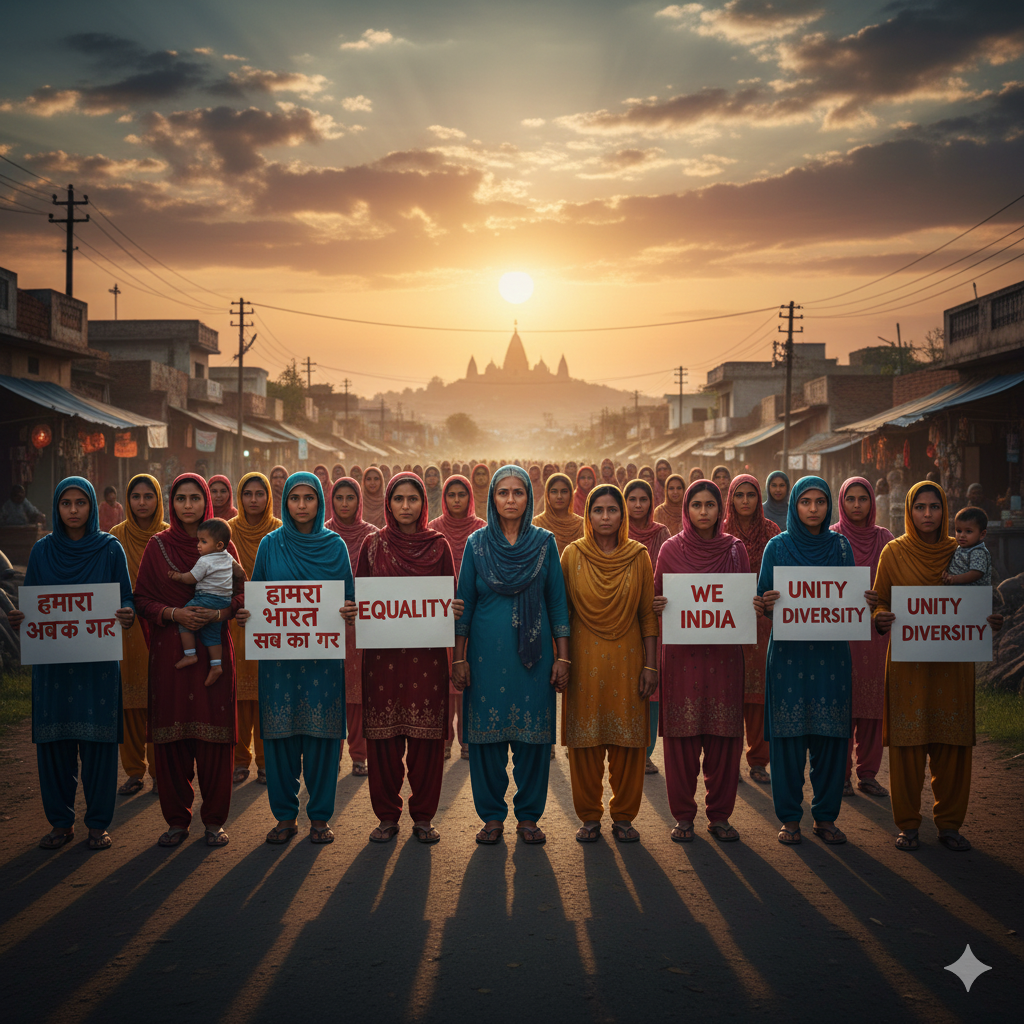
When this happened, the moms, grandmas, and sisters in one special family decided to speak up. This is the story of The Great Shamsuddin Family: A Response from Women to an Unofficial Hindu Nation-State in India. In this story, we will learn how a grandmother, her daughters, and her granddaughters used their voices to say that everyone belongs in India. We will see how they stayed brave even when things felt scary, and why their family story is so important for everyone to hear.
This article will show you how love and staying together can be the strongest power in the world. We will talk about their history, their brave march, and how they are teaching the world that India is a home for everybody!
1. Who is The Great Shamsuddin Family?
Every family has a story, but the Shamsuddin family has a very special one. They live in a place where people have lived for hundreds of years.
A Family Full of Love
The Shamsuddin family is very large. Imagine having so many cousins and aunts that you need a whole bus just to go to the park! At the head of this family is a very wise grandmother. She remembers when India was born as a free country. She tells her grandkids stories about how neighbors used to share sweets during festivals, no matter who they prayed to.
The Heart of the Home
In this family, the women are the leaders. They cook the food, they help with homework, and they make sure everyone feels safe. They believe that a home is built on kindness. When they heard that some people wanted to change the rules of the country to make some neighbors feel like they didn’t belong, the women of the Shamsuddin family knew they had to do something.
- LSI Term: Muslim women’s resistance in India.
2. What is an Unofficial Hindu Nation-State?
Sometimes, adults use big words to describe things that are happening. Let’s make it simple to understand.
The Idea of “Only One Group”
Imagine if you were at a playground, and suddenly a group of kids said, “Only kids wearing blue hats can play here today.” That wouldn’t be very fair, right? Especially if you had been playing there your whole life! An “unofficial Hindu nation-state” is like that playground. It’s when some people try to act like India only belongs to one religion, even though the law says it belongs to everyone.
Why it Makes People Sad
When a country starts acting this way, it makes many people feel worried. They worry that they might lose their homes or that they won’t be allowed to go to the same schools. The Shamsuddin family felt this worry too. They saw that the “unofficial” rules were making things harder for their friends and neighbors.
- Long-tail Keyword: Religious nationalism impact on Indian families.
3. The Women’s Response: Using Their Voices
When things get unfair, you can either stay quiet or you can speak up. The Shamsuddin women chose to speak up!
Standing Together in the Street
One day, the grandmother took her daughters and granddaughters by the hand. They walked out of their house and into the big streets. They weren’t alone! Many other women were there too. They held up signs that said “We Love India” and “Everyone is Equal.” This was their way of responding to the changes in the country.
The Power of Peace
They didn’t use mean words or shout. Instead, they sat down and sang songs. They read the big book of rules for the country, called the Constitution, which says everyone is equal. By doing this, The Great Shamsuddin Family: A Response from Women to an Unofficial Hindu Nation-State in India showed that you can be very strong just by being peaceful and firm.
- LSI Term: Peaceful protest and gendered resistance.
4. Teaching the Children: A Legacy of Courage
The women of the Shamsuddin family are not just protesting; they are teachers for the next generation.
Lessons at the Dinner Table
Every night, the mothers tell the children why they are standing up for their rights. They explain that being a good citizen means making sure everyone is treated fairly. They teach the children that even if someone is different from you, they deserve a seat at the table.
Why the Kids Matter
The little ones in the Shamsuddin family are watching. They see their moms being brave. This helps the children grow up knowing that their voice matters. They learn that India’s strength comes from all its different “colors” working together, not just one.
- Long-tail Keyword: Empowering minority women in modern India.
5. Visualizing the Family’s Journey
Infographic Concept 1: The Circle of Strength
Imagine a big circle. In the middle is the word “India.” Holding hands around the circle are women from the Shamsuddin family. This shows that they are protecting the country’s heart with their love and unity.
- Alt Text: The Great Shamsuddin Family: A Response from Women to an Unofficial Hindu Nation-State in India – Circle of Strength Infographic.
Infographic Concept 2: The Timeline of Togetherness
A simple line showing “Yesterday” (Neighbors sharing), “Today” (Women standing up), and “Tomorrow” (A fair India for everyone).
- Alt Text: Timeline of the Shamsuddin family’s response to social changes in India.
6. Challenges and Being Brave
Being brave doesn’t mean you aren’t scared. It means you do what is right even when you are scared.
When Things Get Scary
Sometimes, the police or people who didn’t agree with them would try to make the women go home. It could be very loud and frightening. But the Shamsuddin women remembered their ancestors. They remembered that India was built by people who fought for freedom long ago.
Staying Strong as a Family
When one woman felt tired, another would hold her up. They brought water and food to each other. This “family response” made them much stronger than just one person standing alone. They showed that when women work together, they can change the world!
- LSI Term: Solidarity among women in India.
7. Why This Story is for Everyone
You might live far away from India, but this story is still important for you.
Kindness is Universal
The Shamsuddin family teaches us that no matter where you live, you should stand up for what is fair. If you see someone being left out at school or in your neighborhood, you can remember the Shamsuddin women and use your voice to help.
Hope for the Future
This story isn’t just about problems; it’s about hope. It shows that even in a big country, one family can make a big difference. The Shamsuddin women are like little lights in the dark, showing us the way to a kinder world.
- Long-tail Keyword: Universal lessons from the Shamsuddin family resistance.
Quick Takeaways
- Family Unity: The Shamsuddin family uses their love for each other to stay strong.
- Women as Leaders: The grandmas and moms are the ones leading the way.
- Peaceful Voices: They use songs and the law to show they belong.
- Everyone Belongs: Their main message is that India is a home for every religion.
- Brave Examples: They teach their children to be kind and fair to everyone.
- Global Lesson: We can all learn to stand up for our friends from this story.
Conclusion: A Song That Never Ends
We have finished our story about The Great Shamsuddin Family: A Response from Women to an Unofficial Hindu Nation-State in India. We learned that even when a country feels like it’s changing in a scary way, brave people can stand up and remind everyone of what is true.
The Shamsuddin women are still there today. They are still telling their stories, still teaching their children, and still believing in an India that loves all its people. Their “response” is like a beautiful song that never ends. It reminds us that fairness and love are the most important things of all.
If we remember their story, we can help make our own world a better place. We can be like the Shamsuddin family—brave, kind, and always standing up for our neighbors.
What do you think of the brave Shamsuddin women? Does your family have a story of being brave together? Let us know in the comments and share this story to spread the message of kindness!
Frequently Asked Questions (FAQs)
1. Who are the Shamsuddin women? They are a group of brave grandmothers, mothers, and daughters in India who are standing up for the rights of everyone to live in their country.
2. Why are they protesting? They are responding to an “unofficial” change where some people want India to only be for one religion. They believe India belongs to everyone equally.
3. Is their protest dangerous? It can be scary sometimes, but they choose to be very peaceful. They use songs and read the country’s rule book (the Constitution) to stay safe and strong.
4. How does their family help them? Because they are a big family, they can help each other. They share food, give each other hugs, and make sure no one has to stand alone.
5. What can I learn from this story? You can learn that your voice is powerful! Even if you are small, you can stand up for what is fair and help others feel like they belong.
A Message for You!
Did the story of the Shamsuddin family make you feel brave? We would love to hear from you! Please leave a comment below and tell us one way you can be kind to a neighbor today. Don’t forget to share this story with your friends!
References
- The Wire: The Great Shamsuddin Family – A Response from Women
- Scroll.in: Women at the Forefront of Resistance in Modern India
- Al Jazeera: The Rise of Religious Nationalism in India and Its Impact
- The Hindu: Understanding the Indian Constitution and Equality